
Understanding Root Canal Post-Operative Care
Following a root canal, diligent post-operative care is crucial for optimal healing and long-term tooth preservation. Gentle oral hygiene, dietary adjustments, and adhering to your endodontist’s specific instructions are key.
What to Expect Immediately After the Procedure
Immediately following your root canal, you’ll likely experience some numbness from the local anesthetic. Avoid biting your cheek or tongue while numb! Some mild discomfort is normal as the anesthesia wears off, but significant pain is uncommon.
You may notice slight tenderness or sensitivity to pressure when biting, which should subside within a few days. It’s essential to avoid chewing on the treated side until your dentist places a permanent restoration. A temporary filling or crown will be placed to protect the tooth initially.
Expect some post-operative soreness, manageable with over-the-counter pain relief. Gentle brushing and flossing around the treated area are encouraged, but be careful not to irritate the site.
Initial Pain Management
Managing post-root canal discomfort is a priority. Over-the-counter pain relievers like ibuprofen or acetaminophen (Tylenol) are usually sufficient. Taking these before the local anesthetic completely wears off can significantly reduce pain. Follow dosage instructions carefully.
If discomfort persists despite medication, contact your endodontist. Avoid strenuous activity for the first 24-48 hours, as it can increase swelling and pain. Applying a cold compress to the cheek near the treated tooth can also help minimize discomfort and swelling.
Remember, some mild soreness is expected, but severe or escalating pain warrants a call to your dental professional.
Over-the-Counter Pain Relief Options
For mild to moderate post-root canal pain, several over-the-counter options are effective. Ibuprofen (Advil, Motrin) is an excellent choice due to its anti-inflammatory properties, reducing both pain and swelling. Acetaminophen (Tylenol) is another viable option, particularly if you cannot take ibuprofen.
Always adhere to the recommended dosage on the packaging. Alternating between ibuprofen and acetaminophen can provide more consistent pain relief. It’s beneficial to start taking pain medication before the anesthetic wears off. If you have any underlying medical conditions or take other medications, consult your doctor before using these options.
Dietary Considerations
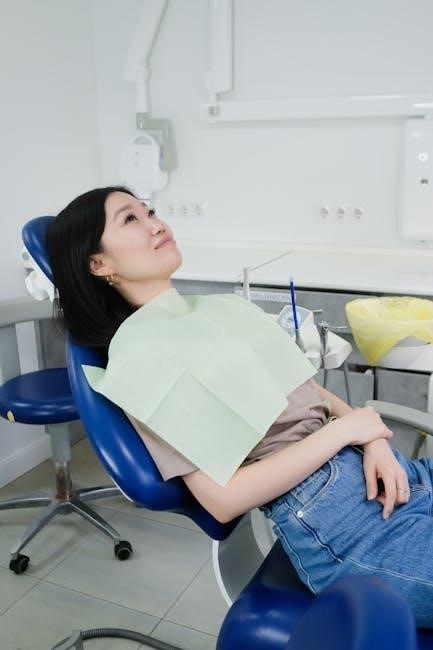
Following a root canal, your dietary choices play a significant role in your recovery and protecting the treated tooth. Initially, prioritize soft foods that require minimal chewing. This prevents unnecessary stress on the tooth while it heals and avoids potential complications.

Avoid hard, crunchy, or sticky foods that could dislodge a temporary filling or cause discomfort. Until your permanent restoration is in place, refrain from chewing on the side of the mouth where the root canal was performed. This precaution safeguards the tooth from fracture and re-contamination, ensuring a successful outcome.
Foods to Avoid After a Root Canal
Immediately after a root canal, certain foods should be avoided to protect the treated tooth and allow for proper healing. Steer clear of hard foods like nuts, ice, and hard candies, as these can cause fractures or dislodge temporary restorations. Crunchy items, such as raw vegetables or chips, should also be avoided.
Sticky foods, including caramel or chewing gum, can pull on the temporary filling. Furthermore, avoid spicy or highly seasoned foods that might irritate the sensitive tissues surrounding the treated tooth. Prioritizing gentle food choices is vital during the initial recovery phase.
Recommended Soft Food Choices
During your recovery after a root canal, focus on soft foods that require minimal chewing. Excellent options include yogurt, applesauce, mashed potatoes, smoothies, and soups. Soft-cooked eggs and well-moistened noodles are also gentle on the treated area.
Consider choosing foods that are easy to swallow and won’t put excessive pressure on the tooth. Ensure these foods are not excessively hot or cold, as temperature extremes can increase sensitivity. Prioritizing nutrient-rich, soft foods will support healing and minimize discomfort during this period.
Protecting the Treated Tooth
A crucial aspect of post-root canal care involves safeguarding the treated tooth from further damage. Until a permanent restoration is in place, avoid applying excessive force to the area. Specifically, refrain from chewing or biting down firmly on the side of the mouth where the root canal was performed.
This precaution prevents potential recontamination of the canal and minimizes the risk of fracturing the weakened tooth structure. Be mindful during meals and avoid hard or sticky foods that could dislodge a temporary filling or crown, compromising the healing process.
Avoiding Chewing on the Treated Side
To ensure successful healing after a root canal, it’s paramount to avoid chewing directly on the treated tooth. This precaution is especially important while a temporary filling or crown is in place, as these restorations are not as durable as permanent ones. Chewing on that side could lead to fracture or dislodgement, potentially recontaminating the root canal system.
Opt for chewing on the opposite side of your mouth during meals. This simple adjustment significantly reduces stress on the treated tooth, allowing it to heal properly and preparing it for the final restoration.
Temporary Restoration Care
After your root canal, a temporary filling or crown will be placed to protect the treated tooth. This temporary restoration seals the access opening, preventing bacterial re-entry and safeguarding the inner tooth structure. However, it’s crucial to remember this is not a long-term solution.
Avoid applying excessive force or sticky foods to the treated side, as this could dislodge the temporary restoration. If you experience any sensitivity or discomfort, or if the temporary filling feels loose, contact your dentist immediately for re-evaluation and adjustment;
The Role of Temporary Fillings or Crowns

Immediately following root canal treatment, your dentist will likely place a soft composite temporary filling or crown. This serves as a protective barrier, shielding the inner tooth from contamination while awaiting the permanent restoration. The temporary restoration isn’t designed to withstand the full forces of biting and chewing.
Its primary function is to maintain the tooth’s integrity and prevent further infection. It’s vital to avoid chewing or biting down firmly on the treated side to prevent dislodgement or fracture of the temporary material. Schedule a prompt follow-up for the permanent crown.
Oral Hygiene Practices
Maintaining excellent oral hygiene is paramount after a root canal, but requires a gentle approach. Continue brushing and flossing as usual, but exercise extra care around the treated tooth and surrounding gums. Avoid vigorous brushing or aggressive flossing directly on the site, as this could disrupt the healing process.
Use a soft-bristled toothbrush and consider a gentle mouthwash. Pay attention to removing food particles from all areas of your mouth, but be mindful of the sensitivity in the treated area. Consistent, gentle cleaning promotes healing and prevents re-infection.
Brushing and Flossing Gently
Post-root canal, prioritize gentle oral hygiene to avoid disrupting the healing site. Employ a soft-bristled toothbrush and use gentle, circular motions when brushing around the treated tooth. Avoid direct, forceful pressure on the area. When flossing, carefully slide the floss between teeth, avoiding snapping it onto the gumline near the treated tooth.
Focus on removing plaque and food debris from all surfaces, but be exceptionally cautious. If you experience discomfort, reduce pressure or skip that area temporarily. Consistent, gentle care is vital for a smooth recovery and preventing complications.
Medication Management
Proper medication adherence is essential for managing post-root canal discomfort and preventing infection. If antibiotics are prescribed, complete the entire course, even if symptoms subside, to ensure complete eradication of bacteria. For pain relief, over-the-counter options like ibuprofen or acetaminophen can be taken as directed, ideally before the local anesthetic wears off.
Follow dosage instructions carefully and avoid exceeding the recommended daily limit. If you have any allergies or pre-existing medical conditions, inform your endodontist before taking any medication.
Antibiotics – When and How to Take Them
Antibiotics are not routinely prescribed after every root canal, but your endodontist may prescribe them if there’s significant swelling, signs of infection, or if you have a compromised immune system. Always complete the full course, even if you feel better, to prevent antibiotic resistance and ensure complete infection resolution.
Take the medication at regularly spaced intervals, as directed, and with food to minimize stomach upset. Inform your doctor of any allergic reactions or side effects experienced while taking the antibiotics.
Recognizing Potential Complications
While root canals are highly successful, complications can occasionally occur. Be vigilant for signs of infection, including persistent pain, swelling, redness, or pus around the treated tooth or gums. Increased sensitivity that doesn’t subside with over-the-counter pain relief is also a concern.
Fractures in the tooth, though rare, can happen, especially if a permanent restoration isn’t placed promptly. Report any unusual symptoms or worsening pain to your endodontist immediately for prompt evaluation and treatment.
Signs of Infection to Watch For
Post-root canal, carefully monitor for infection indicators. Persistent, throbbing pain in the treated tooth, escalating beyond initial discomfort, is a key sign. Noticeable swelling around the face, cheek, or gums near the affected area demands immediate attention. Redness or tenderness to the touch are also concerning.
The presence of pus – often appearing as a pimple-like bump on the gums – definitively suggests infection. Fever, though less common, warrants prompt medical evaluation. Contact your endodontist immediately if you observe any of these symptoms.
Swelling Management
Post-root canal swelling is common and typically subsides within a few days. Applying cold compresses to the outside of your cheek, in 20-minute intervals with 20-minute breaks, is highly effective. This constricts blood vessels, minimizing inflammation and discomfort.
Avoid applying heat, as it can exacerbate swelling. Ensure your head is elevated, even while sleeping, to further reduce fluid accumulation. If swelling significantly increases after the first 24-48 hours, or is accompanied by fever, contact your endodontist immediately, as it may indicate an infection.
Applying Cold Compresses
To effectively manage post-operative swelling, apply cold compresses to the cheek in the area of the treated tooth. Wrap an ice pack or a bag of frozen vegetables (peas work well!) in a cloth to protect your skin. Apply the compress for 20 minutes on, followed by 20 minutes off.
This cycle helps constrict blood vessels, reducing inflammation and numbing the area. Continue this process for the first 24-48 hours, or as long as swelling persists. Avoid direct contact between ice and skin to prevent discomfort or damage.
Sensitivity and Discomfort

Some tooth sensitivity and mild discomfort are common after a root canal, as the tissues around the tooth are inflamed. Taking over-the-counter pain relief, like ibuprofen or acetaminophen, before the local anesthetic wears off can significantly minimize discomfort.
This proactive approach helps manage pain before it escalates. Sensitivity to temperature or pressure should gradually subside over a few days. If discomfort intensifies or persists beyond a week, contact your endodontist. Remember, a little discomfort is normal, but severe or worsening pain requires professional attention.
Managing Tooth Sensitivity
Temporary tooth sensitivity to hot or cold is expected after root canal treatment. Using desensitizing toothpaste can help alleviate this discomfort. Avoid extreme temperatures in food and beverages initially. If sensitivity persists, continue taking recommended pain relievers, and ensure you’re brushing gently.
Applying a cold compress externally can also provide relief; Sensitivity usually diminishes as the tooth heals and the surrounding tissues calm down. If the sensitivity is sharp or prolonged, or if it interferes with daily activities, promptly contact your endodontist for evaluation.
Follow-Up Appointments
Scheduled follow-up appointments are a vital component of successful root canal treatment. These check-ups allow your endodontist to monitor the healing process and ensure the infection has been fully eradicated. They will assess the tooth’s response and confirm proper sealing.
Don’t hesitate to voice any concerns or lingering discomfort during these visits. These appointments are also crucial for planning and placing the permanent restoration, such as a crown. Missing these appointments could compromise the long-term health and functionality of the treated tooth.
Importance of Scheduled Check-Ups
Regular check-ups post-root canal are non-negotiable for verifying successful treatment and preventing complications. These appointments allow the endodontist to monitor healing, assess the tooth’s response, and ensure the area remains infection-free. Early detection of any issues is paramount.
These visits aren’t just about checking for problems; they’re essential for coordinating the placement of your permanent restoration, like a crown. Skipping these appointments risks jeopardizing the tooth’s long-term health and potentially requiring further intervention. Consistent follow-up is key to a lasting, healthy smile.
Permanent Restoration
A permanent restoration, typically a crown, is vital after a root canal to fully protect and restore the tooth’s function. The root canal weakens the tooth, making it susceptible to fracture. A crown encases the entire visible portion, providing strength and preventing breakage.
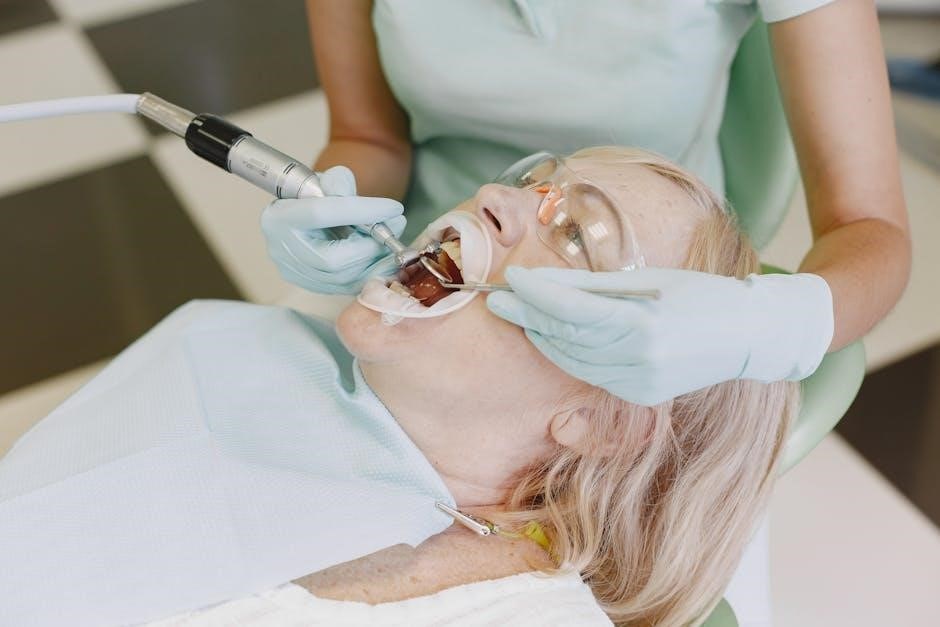
Your dentist will carefully match the crown’s color and shape to blend seamlessly with your natural teeth. Delaying this step leaves the tooth vulnerable. The temporary filling or crown placed immediately after the root canal is not a long-term solution; it’s a protective measure until the permanent restoration is ready.
The Need for a Crown or Permanent Filling
After a root canal, a permanent restoration is essential because the procedure inherently weakens the tooth structure. Removing the infected pulp leaves the tooth more brittle and prone to fracture under normal chewing forces. A crown offers comprehensive protection, encasing the entire visible portion of the tooth, restoring its strength and functionality.
While a filling may suffice in some cases, a crown is generally recommended, especially for molars. The temporary filling is solely for immediate protection, and a durable, permanent solution is crucial for long-term tooth health and preventing re-infection.

Long-Term Care
Maintaining excellent oral hygiene is paramount for the longevity of a root canal-treated tooth. Continue brushing twice daily, flossing regularly, and attending scheduled dental check-ups. These routine visits allow your dentist to monitor the restoration and surrounding tissues, ensuring no complications arise.
Avoid habits that can compromise the tooth, such as chewing on hard objects like ice or pens. Promptly address any new sensitivity or discomfort. A well-maintained restored tooth can function normally for many years, but consistent care is vital for preventing future issues and preserving your smile.
Maintaining the Health of the Restored Tooth
Consistent and meticulous oral hygiene remains essential even after the permanent restoration is placed. Brush twice daily with fluoride toothpaste, and floss daily to remove plaque and food particles. Regular dental check-ups, typically every six months, are crucial for monitoring the tooth’s health and identifying any potential problems early on.
Avoid excessive force when chewing, and consider a mouthguard if you grind your teeth at night. Promptly report any new pain, sensitivity, or swelling to your dentist. A properly cared-for restored tooth can provide years of comfortable function.
Preventing Re-infection
Maintaining excellent oral hygiene is paramount in preventing re-infection after a root canal. Diligent brushing twice daily, coupled with daily flossing, removes bacteria that could potentially compromise the seal of the restoration. Regular dental check-ups and professional cleanings are equally vital for early detection of any issues.
Address any new cavities promptly, as they can provide a pathway for bacteria to reach the treated tooth. Avoid habits like teeth grinding, and consider a mouthguard if necessary. A proactive approach to oral health significantly reduces the risk of re-infection.
Good Oral Hygiene Habits
Consistent and gentle oral hygiene is fundamental to post-root canal recovery. Continue brushing twice daily with a soft-bristled toothbrush, paying careful attention to all surfaces of your teeth. Floss daily to remove plaque and food particles from between teeth, being gentle around the treated area.
Avoid vigorous brushing or flossing directly on the restored tooth initially. An antimicrobial mouthwash, as recommended by your dentist, can further reduce bacterial load. Maintaining these habits safeguards the treated tooth and promotes overall oral health, preventing future complications.
When to Contact Your Endodontist
Prompt communication with your endodontist is vital if you experience concerning symptoms post-root canal. Immediately report severe, unrelenting pain not relieved by prescribed medication. Signs of infection, such as increasing swelling, redness, or pus, require urgent attention.
Contact your endodontist if you experience a cracked or loose temporary restoration, or if you develop a fever. Any significant sensitivity to pressure or prolonged numbness also warrants a call. Don’t hesitate to reach out with any unusual concerns – early intervention can prevent complications.
Emergency Situations and Concerns
Certain post-root canal situations demand immediate endodontic attention. Severe, uncontrolled bleeding after the procedure is an emergency requiring prompt care. Experiencing intense, throbbing pain unresponsive to pain medication necessitates an immediate call.
Significant facial swelling, especially if accompanied by fever or difficulty breathing, is a critical concern. A lost crown or filling exposing the treated tooth could lead to recontamination and requires swift evaluation. Don’t delay seeking help if you suspect a serious complication – timely intervention is crucial.
Understanding Root Canal Success Rates
Root canal treatments boast remarkably high success rates, often exceeding 90%. However, success isn’t guaranteed and depends on factors like tooth condition and complexity of the case. A successful outcome means the tooth remains pain-free, functional, and free from infection.
While rare, failures can occur due to undetected canals, cracks in the tooth, or new infections. Following post-operative instructions diligently significantly boosts the likelihood of success. Regular dental check-ups and a permanent restoration are vital for long-term tooth health and maintaining a positive outcome.
Post-Operative Bleeding
Some minor bleeding is normal after a root canal procedure, typically subsiding within a few hours. To control it, gently bite down on firm gauze for 30-60 minutes at a time, replacing it as needed. Avoid rinsing vigorously or disturbing the clot.
A small amount of blood-tinged saliva is also common. However, excessive or continuous bleeding warrants contacting your endodontist. Avoid strenuous activity and keep your head elevated to minimize bleeding. Consistent pressure is key to achieving hemostasis and promoting proper healing.
What is Normal and What Requires Attention
Expect mild discomfort and sensitivity to pressure immediately following the procedure. Some swelling and bruising are also normal, typically peaking within 24-72 hours. A small amount of bleeding, as previously discussed, is also considered normal.
However, persistent, severe pain, uncontrolled bleeding, significant swelling, or signs of infection (fever, pus, increasing redness) require immediate attention. Contact your endodontist promptly if you experience any of these symptoms, as they may indicate a complication needing intervention.
Numbness After Root Canal
It’s common to experience lingering numbness in the treated area for several hours after your root canal, due to the local anesthetic. Be cautious to avoid biting your cheek or tongue while numb, as you may not feel the injury.
The duration of numbness varies, but typically subsides within 3-5 hours. If numbness persists beyond this timeframe, or if it’s accompanied by pain or other unusual symptoms, contact your endodontist. Gradual return of sensation is expected, and slight tingling is normal during the recovery process.
Duration and What to Expect
The initial numbness following a root canal typically lasts between three to five hours, gradually fading as the local anesthetic wears off. Expect a gradual return of sensation, potentially accompanied by mild tingling. However, complete resolution can take up to 24 hours in some cases.
Be extremely careful not to bite your cheek, tongue, or lip while still numb, as you won’t feel any injury. If numbness persists significantly beyond 24 hours, or is coupled with increasing pain, immediately contact your endodontist for evaluation and guidance.